Groin Trimmer for Sensitive Skin: What to Look For

How do I choose the right groin hair trimmer for sensitive skin?
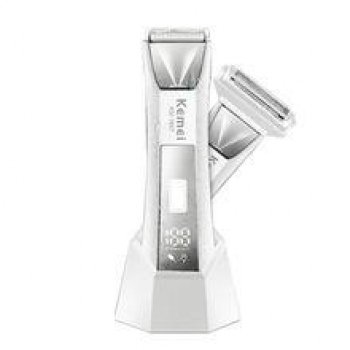
For sensitive skin, the right groin hair trimmer is the one that minimizes tugging, heat, and repeated passes. Focus on skin-safe cutting, gentle power delivery, and easy control in tight angles—then confirm it’s built for wet, high-friction areas. For a deeper walkthrough and product-specific guidance, visit the main guide here.
Prioritize skin-safe blade design
Look for a trimmer marketed for body/groin use with rounded blade tips or a “skin guard” system that keeps edges from contacting skin directly. A narrow trimming head helps you steer precisely around folds and contours, reducing accidental nicks. Avoid ultra-close cutting tools unless they include an adjustable guard made for sensitive areas.
Choose adjustable guards and the right length settings
Sensitive skin usually does better when you don’t cut to the absolute shortest length. Pick a trimmer with multiple guard sizes (or a dial-style guard) so you can start longer and step down gradually. This reduces irritation from overworking the same spot.
Wet/dry use and easy cleaning matter more than you think
Waterproof or rinseable models are ideal because you can trim in the shower with warm water and shave gel, which helps soften hair and reduce drag. A trimmer that cleans easily also reduces bacteria and product buildup—two common triggers for bumps and inflammation in the groin area.
Look for anti-tug performance and controlled power
If a trimmer pulls hair, it’s far more likely to cause redness and ingrowns. Check for features like a high-torque motor, consistent-speed tech, or “no-snag” claims backed by reviews. Cordless runtime also matters; a weakening battery can lead to uneven cutting and extra passes.
Comfort features that reduce irritation
A rubberized, non-slip grip helps prevent slips in wet hands. A quieter, low-vibration trimmer can feel gentler on sensitive skin. If your skin is easily reactive, consider models that include a dedicated sensitive-skin guard or a ceramic blade option for reduced friction.
FAQ
Should I trim or shave to reduce ingrown hairs in the groin area?
Trimming is usually better for preventing ingrown hairs because it leaves a bit of length and avoids cutting below the skin line. If you prefer a closer result, use a guard, reduce pressure, and avoid multiple passes over the same area.










Leave a comment