Self-Cleaning Cat Litter Box Guide: XL, Odor & Care
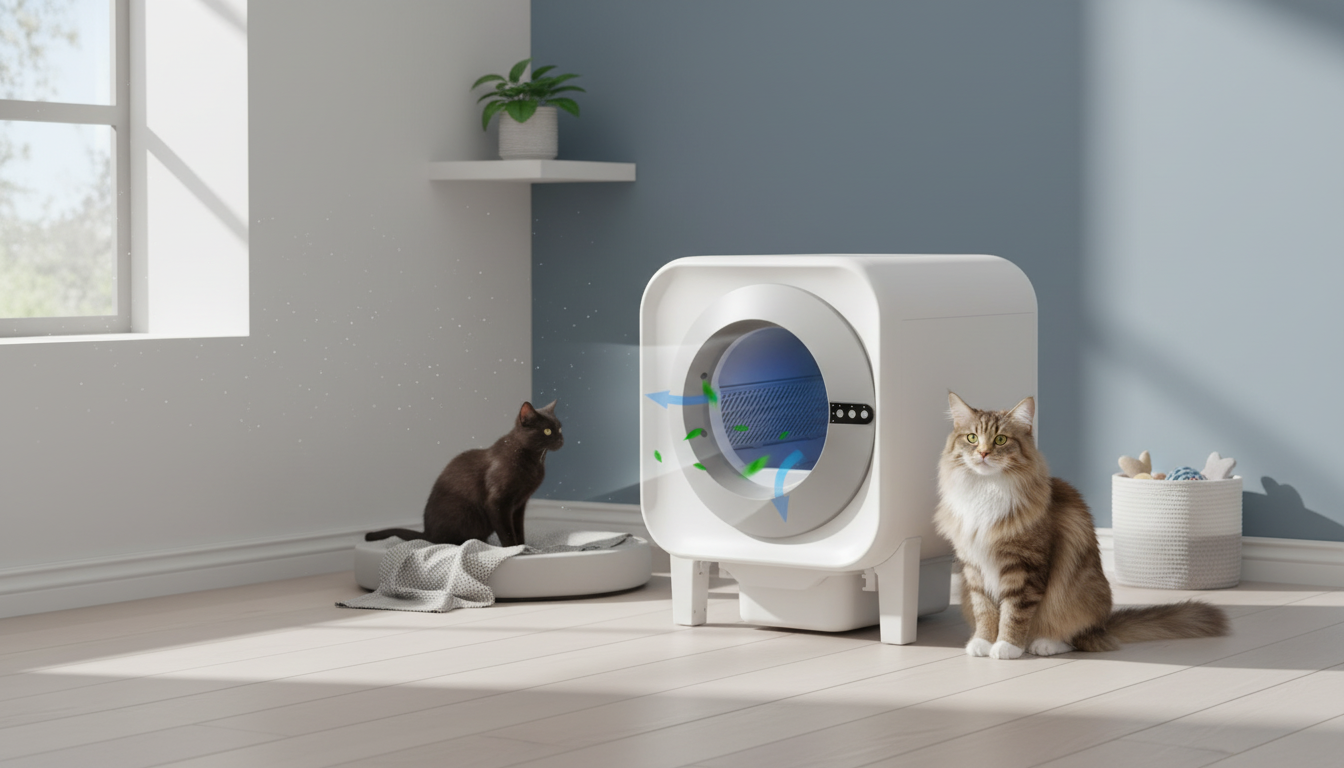
A Cleaner Litter Routine with a Self-Cleaning Cat Litter Box
A self-cleaning cat litter box can make daily upkeep faster, reduce lingering odors, and keep the litter area more consistent for cats that dislike a dirty box. The right pick depends on size, noise tolerance, waste handling, and how the unit fits into a real home routine (multiple cats, work schedules, and where the box will live).
What a Self-Cleaning Litter Box Actually Does
Most self-cleaning litter boxes automate the least pleasant part of cat care: scooping. After your cat uses the box, the unit waits for a set period so clumps can firm up, then separates clumps from clean litter. The waste is moved into a sealed drawer or bin, helping contain odors until it’s time to empty.
That said, “self-cleaning” doesn’t mean “no maintenance.” You’ll still need to add litter, empty the waste bin, wipe down contact surfaces, and do occasional deep cleans to prevent residue buildup. A well-maintained unit can keep the litter bed consistently usable—often a big deal for cats who avoid a box that feels even slightly dirty.
Who Benefits Most (and When It May Not Be Ideal)
Self-cleaning boxes tend to help most in busy households where scooping once a day is tough to keep up with. They can also be a strong option for multi-cat homes where a standard box gets messy quickly—just pay close attention to capacity and how fast the cleaning cycle runs between uses.
They’re not always a perfect match. Some cats are noise-sensitive, and a motorized cycle can be startling at first. Introducing the unit slowly and placing it in a calm, low-traffic spot can improve acceptance. Also, a self-cleaning box is never a substitute for veterinary attention: if a cat suddenly avoids the box, strains, cries, or shows urinary changes, take it seriously and contact a veterinarian. Resources like the American Veterinary Medical Association (AVMA) Pet Care can help you understand when to seek care.
For kittens, seniors, or cats with mobility limits, entry height and stable footing matter. If the step-in is high, a small pet step or a lower-entry alternative can make a big difference in daily comfort.
Key Features to Compare Before Buying
Since cat preferences vary, compare models by how they’ll work in your space—not just by what looks sleek on a product page. Focus on these practical points:
Quick Comparison Checklist
| What to check | Why it matters | What to look for at home |
|---|---|---|
| Capacity & XL space | Reduces misses and stress for bigger cats | Cat can turn around comfortably; no crouching at the door |
| Waste bin sealing | Better odor control between emptying | Tight-fitting drawer/cover; minimal smell near the unit |
| Cycle delay options | Avoids interrupting cats and reduces tracking | Adjustable delay after use; predictable cycle timing |
| Noise level | Impacts adoption for cautious cats | Place in a low-traffic area; listen for motor hum |
| Ease of cleaning | Prevents buildup that causes odor | Smooth surfaces; accessible corners; simple bin removal |
| Litter type compatibility | Performance depends on clumping behavior | Clumps separate cleanly; minimal sticking to surfaces |
Spotlight: Self-Cleaning Cat Litter Box XL
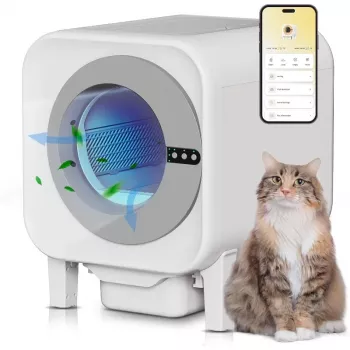
If your cat likes extra room—or you’re trying to reduce daily scooping in a busy household—an XL design can be a practical upgrade. The Self-Cleaning Cat Litter Box XL is built around the idea that more interior space and automated waste separation can keep the litter bed cleaner between full changes.
A simple routine tends to work best: check litter level daily, empty the waste bin before it overfills, and wipe contact surfaces during bin changes. For general hygiene guidance around litter handling, the CDC’s toxoplasmosis information is a helpful reference, especially for households that want to be extra careful about cleaning habits.
Getting a Cat Comfortable with the Change
If your cat is already having litter box trouble, review behavior-focused guidance like the ASPCA’s litter box problems resource and consider discussing changes with your vet.
Maintenance That Keeps Odor Down
Common Issues and Simple Fixes
Helpful Home Add-Ons (Optional)
- 21-Inch Bamboo LED Ceiling Fan with Light, Remote & Timer for gentle airflow and improved room comfort.
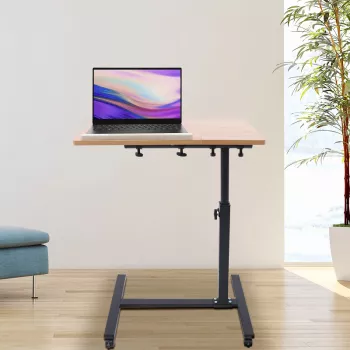
- Adjustable 24 Inch Laptop Desk with 360° Rotating Top and Mobile Stand if you’re often working near home “pet zones” and want a flexible setup while supervising a transition.
FAQ
How often does a self-cleaning litter box need to be emptied?
Many households empty the waste bin every 2–7 days depending on the number of cats and the bin size. Check it daily and empty before it overfills—odor control often depends more on timely bin emptying than on the cleaning cycle alone.
Are self-cleaning litter boxes safe for cats?
Most are designed with safety features like cycle delays and sensors that pause or stop when a cat approaches or enters. Place the unit in a stable, low-traffic spot and introduce it gradually; if a cat seems stressed or avoids the box, consult a veterinarian.
What litter works best in a self-cleaning litter box?
Clumping litter that forms firm, cohesive clumps typically performs best because it separates cleanly from the remaining litter. Follow your unit’s guidance for compatible litter types and keep the litter depth at the recommended level for consistent cycling.









Leave a comment